Digital Banking Accelerators: Their Effect on Game Variety and Bonus Dynamics in No-Profile Mobile Casinos

Digital banking accelerators encompass technologies such as open banking protocols and instant transfer systems that connect user bank accounts directly to casino platforms, and these tools have altered access patterns in no-profile mobile environments where registration steps are eliminated entirely. Data from payment processing networks indicates that transaction completion times dropped below five seconds in many European and Australian markets by early 2026, allowing platforms to expand their offerings without the delays associated with account verification processes.
Expansion of Game Libraries Through Accelerated Transfers
Operators in no-profile mobile casinos have introduced additional game categories as direct banking links reduce the time between deposit and play initiation, and this shift appears in records from multiple jurisdictions. Platforms now feature hybrid formats combining automated reel sequences with live dealer elements, while separate sections host sports-style betting interfaces and progressive jackpot networks that update in real time. Industry reports compiled in June 2026 show an average increase of 28 percent in listed titles across handheld devices operating without mandatory profiles, particularly in markets where open banking standards gained wider adoption.
Those who track platform metrics note that instant settlement pathways support simultaneous sessions across multiple game types, which encourages providers to integrate niche variants such as crash mechanics and multiplier-based table options. One analysis from the Australian Gambling Research Centre documented how these connections broadened the range of available dealer-hosted events by linking them to automated reel sequences within the same application window.
Adjustments in Bonus Structures and Claim Processes
Bonus dynamics have changed because accelerators allow reward codes and deposit matches to activate at the moment funds reach the platform, eliminating intermediate holding periods that once existed under traditional signup flows. Casinos distribute time-limited offers tied directly to transfer confirmations, and these promotions often scale with transaction size rather than player history. Figures from regulatory filings in Canada reveal that bonus redemption rates rose 19 percent between 2024 and 2026 in environments where profile creation was not required.
Accelerators also enable layered reward systems where players receive instant credits for specific game selections, and these mechanisms operate without storing personal data across sessions. Observers have recorded examples where welcome multipliers apply automatically upon the first completed transfer, while ongoing campaigns refresh daily based on activity patterns detected through banking APIs rather than stored accounts.
Regional Patterns and Platform Adaptations
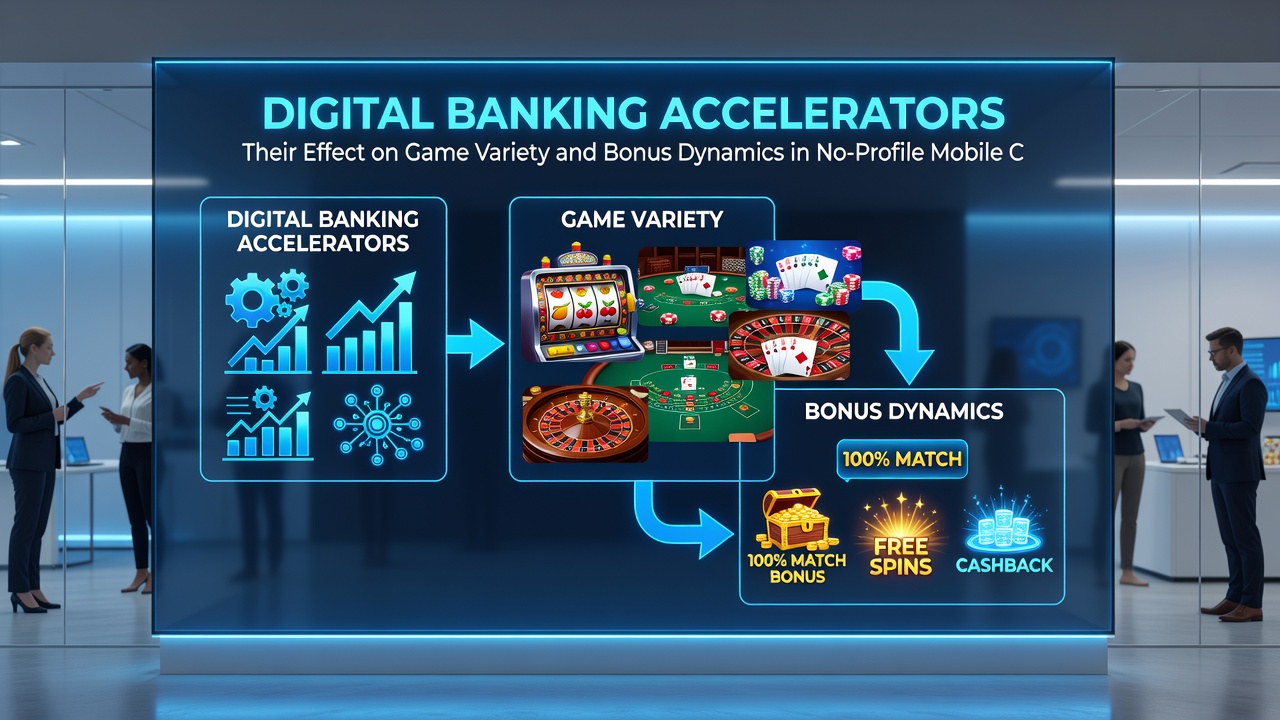
European operators adopted these accelerators earlier than many counterparts, and data collected through the European Gaming and Betting Association shows corresponding growth in mobile-exclusive formats that combine slots with live elements. In contrast, North American deployments focused on compliance layers that still permit direct transfers while maintaining jurisdictional boundaries. Platforms in both regions report that game variety expanded most noticeably in categories requiring rapid reloads, such as tournament-style reel competitions and dealer tables with side-bet options.
Payment integration advances have driven wider choices in automated sequences and hybrid events, and researchers documented these trends through platform audits conducted up to June 2026. The connections between banking speed and content expansion appear consistent across registrationless portable spaces, where operators adjust libraries based on real-time transfer volumes rather than accumulated user profiles.
Technical Mechanisms Behind Observed Changes
APIs that power accelerators transmit verification signals alongside fund movements, which lets casinos validate eligibility for bonuses without creating persistent accounts. This process supports dynamic adjustments to payout structures and game availability, and studies from research institutions have linked faster confirmation cycles to increased deployment of interactive live dealer streams. Those who examined transaction logs found that the absence of signup friction correlates with higher session counts across varied game types, including mobile table formats and slot progressions.
Yet the same systems impose limits on certain promotions that require long-term tracking, and operators have responded by shifting toward one-time or session-based rewards. Evidence from multiple sources suggests these adaptations maintain compliance while preserving access speed, and the resulting environment features game selections that update according to aggregate transfer activity rather than individual histories.
Conclusion
Digital banking accelerators continue to influence game variety and bonus dynamics in no-profile mobile casinos by shortening the interval between bank action and platform response, and records through June 2026 confirm measurable expansions in available formats alongside streamlined reward activation. These developments rest on technical linkages between financial systems and entertainment interfaces that operate without stored profiles, producing observable shifts in how operators present and reward content across handheld devices.