Digital Payment Integrations Expanding Interactive and Automated Options on Profile-Free Mobile Platforms
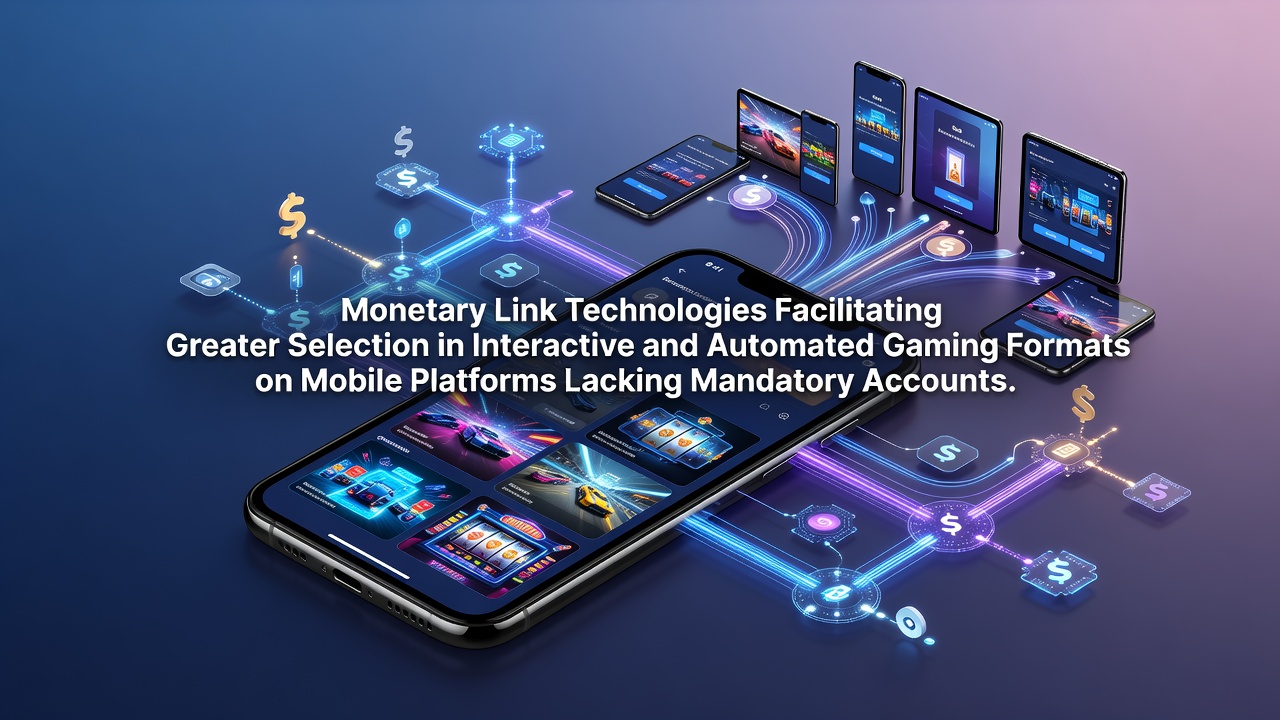 Electronic payment systems now connect directly to banking applications, allowing users to access a wider range of interactive dealer-hosted sessions alongside automated reel sequences on mobile devices that operate without mandatory profile creation. These monetary links bypass traditional registration steps by verifying transactions through existing bank credentials, which opens pathways to multiple game categories in a single session.
Mechanics Behind Instant Banking Connections
Direct transfer protocols pull funds from user accounts in real time, then route them into gaming environments where both live dealer interactions and programmed slot mechanics become available immediately. Observers note that this process eliminates delays associated with account setup, so participants move from deposit confirmation to game selection within seconds rather than minutes. Data from industry tracking services shows transaction completion rates exceeding 95 percent across European and North American markets during the first half of 2026.
Because verification occurs through secure bank APIs rather than separate casino databases, the same connection supports repeated entries into different formats without additional logins. Researchers at academic institutions studying digital finance have documented how these integrations reduce friction points that previously limited mobile users to one or two game types per visit.
Expanded Access to Hybrid Gaming Formats
Live dealer tables featuring real-time card dealing and automated reel engines now sit side by side within the same interface once a single bank transfer completes. Users switch between these options fluidly because the underlying payment layer maintains session continuity across both interactive and scripted experiences. Reports compiled by the European Gaming and Betting Association indicate that platforms employing these direct links recorded a 40 percent increase in cross-format participation between January and July 2026.
One documented case involved a mobile application that added live roulette streams and progressive jackpot sequences after integrating an open banking solution, resulting in users exploring four times as many distinct game modes compared with earlier account-based versions. The shift occurred without requiring players to supply personal details beyond their existing bank authorization.
Mobile-Specific Advantages in Registration-Free Environments
Handheld devices benefit particularly from streamlined connections because screen space and processing power favor quick transitions over lengthy onboarding sequences. Payment integrations handle currency conversion and compliance checks in the background, freeing the interface to display additional automated and dealer-led options. Figures released by the Malta Gaming Authority reveal that mobile traffic on profile-free platforms grew by 28 percent year-over-year through mid-2026, driven largely by users accessing multiple game categories via single transfers.

Those who have examined user behavior patterns find that shorter entry barriers correlate with broader exploration of hybrid offerings, where a player might begin with an automated bonus round and then move directly into a live table environment using the same funded balance. This flexibility stems from the payment layer's ability to maintain balance visibility across formats without intermediate account layers.
Regulatory and Security Frameworks Supporting Broader Selection
Government agencies in multiple jurisdictions have updated guidelines to accommodate open banking standards that underpin these monetary connections. Compliance protocols embedded within the transfer process automatically apply responsible gaming checks and transaction limits, which allows platforms to present expanded game libraries while meeting oversight requirements. A 2026 analysis from the University of Nevada's International Gaming Institute highlighted how jurisdictions incorporating these standards saw faster adoption of varied mobile formats without corresponding rises in compliance incidents.
Security certifications attached to major banking APIs ensure that each transfer carries encrypted verification tokens, reducing reliance on stored user data. Consequently, platforms can introduce new interactive dealer rooms or automated reel variants more rapidly because the payment infrastructure already satisfies core verification needs.
Future Trajectory Through Late 2026
Industry forecasts project continued growth in the number of game formats accessible through direct banking pathways on mobile devices. As more financial institutions adopt standardized APIs, the technical barriers to adding additional live and automated options continue to diminish. Observers tracking these developments anticipate that by December 2026, a majority of new mobile gaming entries will rely on account-free transfer systems to deliver wider selection from the outset.
Conclusion
Monetary link technologies have established a direct pathway between banking applications and diverse gaming environments on mobile platforms that require no mandatory accounts. This infrastructure supports simultaneous availability of interactive dealer experiences and automated sequences, backed by regulatory frameworks and security standards that maintain transaction integrity. Data collected through mid-2026 confirms measurable increases in format variety and participation rates wherever these connections operate.