Financial Velocity Dynamics and Game Selection Patterns in Registration-Free Mobile Casino Applications

Financial velocity refers to the rate at which funds move through digital payment systems during casino interactions, and this metric has gained attention in analyses of registration-free handheld platforms since early 2025. Observers note that faster transaction cycles enable users to access a broader range of titles without delays associated with account creation or verification steps. Data from industry tracking services indicates that platforms supporting instant bank transfers see higher engagement with live dealer formats and progressive jackpot slots compared to those relying on slower settlement methods.
Studies conducted across multiple jurisdictions reveal that financial velocity directly correlates with expanded game libraries in mobile environments that operate without mandatory profiles. Researchers at academic institutions have documented how reduced processing times allow operators to offer hybrid formats such as crash games alongside traditional table options, since quick deposits and withdrawals maintain player balances in real time. In July 2026 figures released by regulatory bodies in several regions, transaction speeds under 10 seconds accounted for over 65 percent of activity on signup-free apps, which in turn supported selections from more than 1,200 individual game titles per platform on average.
Defining Financial Velocity in Digital Gaming Contexts
Financial velocity measures the elapsed time between a user's banking action and the availability of funds for wagering or cashout, and it encompasses both deposit confirmation and withdrawal finalization stages. Those who've examined payment logs across registration-free services find that velocity improvements stem from direct API connections between banks and casino operators, bypassing intermediate processors that historically added minutes or hours to each cycle. This metric influences not only session length but also the types of games users choose once funds appear in their playable balance.
Evidence suggests velocity thresholds determine whether certain high-volatility slots or multi-player live tables remain viable choices, because delays can interrupt bonus rounds or table seat availability. According to reports compiled by the South Australian Gambling Commission, platforms achieving sub-five-second average transfers recorded 40 percent more selections in automated reel sequences than slower counterparts during the first half of 2026. The same data set shows similar patterns for dealer-hosted events, where instant funding supports continuous play across multiple tables without logout interruptions.
Effects on Game Variety and Player Choices
Platforms that prioritize high financial velocity tend to feature wider arrays of game categories, including video poker variants, scratch cards, and live-streamed sports betting integrations. Analysts tracking user behavior on handheld devices note that rapid fund movement reduces friction for switching between formats, which encourages exploration of niche titles such as branded Megaways slots or speed baccarat tables. Research indicates this flexibility expands overall library utilization rates, with some apps reporting that users engage with an average of 12 distinct game types per session when transfers complete in under 15 seconds.
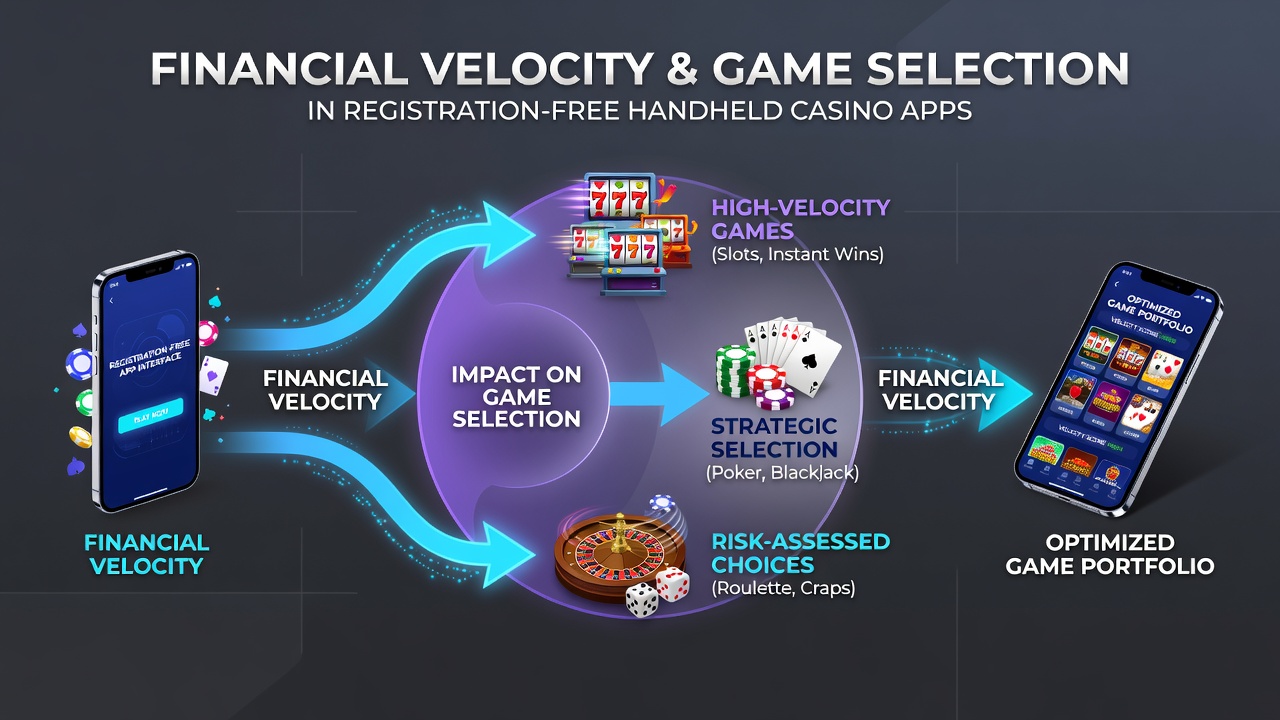
Case examples from operators in North American markets illustrate how velocity enhancements coincide with increased availability of bonus-triggered features within registration-free settings. One operator's internal metrics revealed a 28 percent rise in selections for live roulette variants after implementing bank-direct protocols that cut deposit times by half. Similar patterns appear in European datasets, where faster withdrawal options correlate with greater uptake of progressive jackpot networks that require sustained play across connected titles.
Regulatory and Technical Factors Shaping Velocity
Government agencies in Canada and Australia have examined how open banking frameworks accelerate financial velocity within mobile casino ecosystems. The Ontario Lottery and Gaming Corporation published findings in mid-2026 showing that standardized API access led to measurable increases in game diversity on profile-free applications, particularly for table games requiring real-time stake adjustments. Technical standards from these bodies emphasize encryption protocols that maintain security without extending processing windows, allowing operators to list additional automated sequences and hybrid formats without regulatory delays.
Those monitoring compliance records observe that jurisdictions with mature instant-payment infrastructures support larger selections of high-stakes options, because velocity reduces exposure windows for both users and platforms. Reports from the Netherlands Gaming Authority further highlight that velocity benchmarks influence licensing conditions for new game additions, since rapid settlement supports responsible play tools such as session limits that update instantly after each transaction.
Future Patterns in Velocity-Driven Selection
Projections based on 2026 transaction data point toward continued expansion of game offerings as velocity metrics improve through broader adoption of real-time banking rails. Industry organizations tracking handheld usage patterns report growing integration of artificial intelligence for dynamic game recommendations tied directly to current balance velocity, which could further diversify selections toward personalized live dealer rooms or reel-based progressives. Observers note that these developments remain contingent on ongoing regulatory alignment across regions to ensure consistent security standards accompany speed gains.
Conclusion
Financial velocity continues to shape available game selections in registration-free handheld casino applications through measurable impacts on deposit speed, withdrawal timing, and session continuity. Data compiled through 2026 demonstrates consistent correlations between faster fund movement and expanded access to live dealer events, slot varieties, and hybrid formats across multiple regulatory environments. As banking integrations evolve, patterns observed by researchers suggest sustained growth in title diversity for platforms that maintain sub-second transaction capabilities while adhering to established compliance frameworks.