Payment Pathways Powering Diverse Reel and Dealer Experiences in No-Registration Mobile Settings
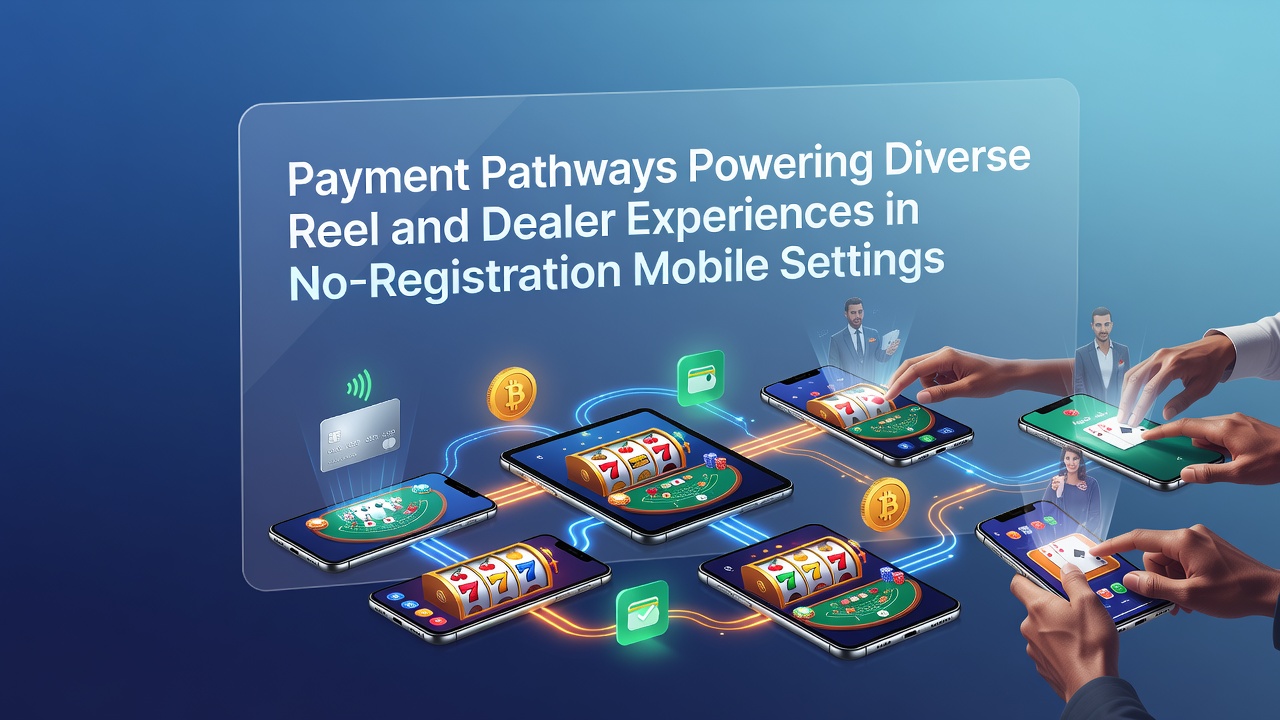
Payment pathways have transformed access to mobile casino environments that operate without mandatory account creation, allowing direct connections between banking systems and game platforms. These systems facilitate immediate deposits that unlock reel-based slots alongside live dealer interactions on handheld devices, where users engage through electronic transfers that bypass traditional registration steps entirely.
Core Mechanisms of Instant Banking Links
Electronic transfer protocols connect user bank accounts to mobile platforms via API integrations, which process transactions in seconds rather than hours. Data from the Bank for International Settlements shows that open banking frameworks in multiple regions expanded these capabilities by 2025, with further refinements noted through July 2026 as adoption rates climbed among service providers. Such connections enable players to fund sessions for automated reel sequences or real-time dealer-hosted tables without creating profiles, while withdrawal functions return funds through the same channels.
Observers note that these pathways rely on encrypted verification layers that confirm identity through existing bank credentials, eliminating separate signup forms. Research indicates that transaction success rates exceed 95 percent in optimized networks, supporting continuous play across varied game formats on portable screens.
Expanding Reel Options Through Direct Transfers
Slot libraries benefit directly from rapid funding because players can test multiple reel configurations in sequence, moving between high-volatility titles and progressive jackpot variants without interruption. Payment systems that integrate with mobile operating systems allow deposits to appear as credits instantly, which broadens the range of available reel experiences on any given session. Figures reveal that platforms utilizing these methods report higher engagement metrics across diverse slot categories, including themed progressions and multiplier features.
One documented pattern involves users shifting from standard three-reel setups to complex five-reel layouts with bonus rounds, all enabled by the same initial transfer. This flexibility stems from backend processing that updates balances in real time across different game servers.
Live Dealer Integration via Mobile Pathways
Dealer-hosted tables gain accessibility when payment routes support continuous top-ups during active rounds, letting participants join blackjack, roulette, or baccarat streams on smartphones. Studies from academic sources on digital payments confirm that reduced latency in transfers correlates with increased participation in these interactive formats, where timing affects betting decisions. As of July 2026, several networks reported expanded dealer room availability tied to improved banking app linkages that function without profile requirements.
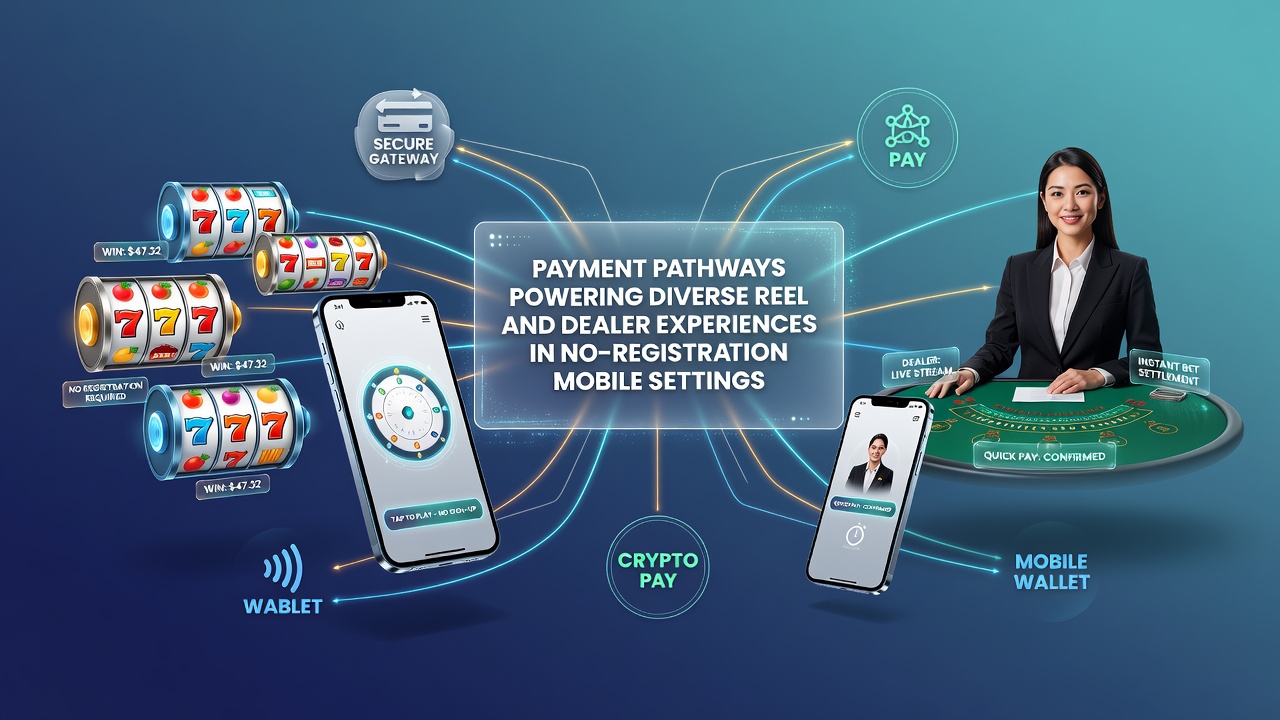
Those who track industry metrics point out that hybrid sessions combining reel spins and dealer tables occur more frequently when withdrawal options remain equally swift, returning winnings from either game type through unified channels. This setup maintains session flow across portable devices operating in account-free modes.
Regional Variations in Payment Adoption
European markets demonstrate widespread use of standardized transfer protocols that align with local banking regulations, while North American and Asian platforms adapt similar models to regional mobile networks. According to reports from the European Gaming and Betting Association, these adaptations increased the variety of both reel and dealer offerings in no-registration settings by mid-2026. Canadian regulatory bodies have documented parallel growth in mobile access tied to secure payment gateways that prioritize speed over account creation.
Users encounter consistent functionality whether accessing slots with cascading reels or tables with multiple camera angles, because the underlying pathways standardize transaction handling across borders. Evidence suggests that such consistency reduces drop-off rates during game switches.
Future Trajectory and System Enhancements
Developments in biometric authentication paired with banking apps continue to refine these pathways, supporting even faster confirmations for reel and dealer access. Projections based on current trends point toward broader integration with emerging mobile standards by late 2026, which would further diversify available game formats without altering the no-registration structure. Industry analyses highlight how these evolutions maintain compliance while expanding entertainment options on handheld platforms.
Conclusion
Payment pathways sustain the operational backbone for diverse reel and dealer experiences in mobile environments that require no account creation, connecting banking infrastructure directly to game servers through efficient electronic means. Data shows sustained growth in transaction volumes and game variety as these systems mature, with regional implementations adapting core technologies to local conditions through July 2026 and beyond. This infrastructure supports seamless movement between automated slots and live interactions on portable devices, driven by processing speeds and verification methods that operate independently of traditional profiles.