Regulatory Shifts in Linked Banking Tools Widening Reel Mechanics and Live Table Formats on Profile-Free Smartphone Platforms
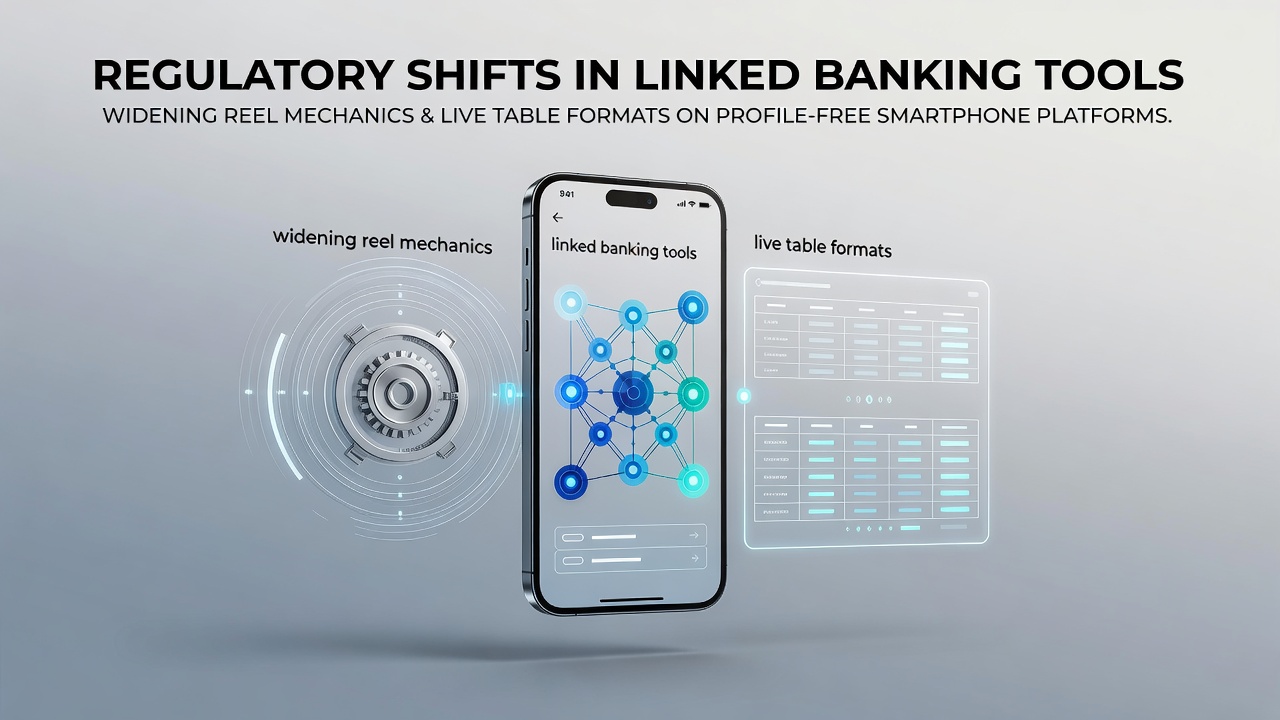
Regulatory adjustments across multiple jurisdictions have begun reshaping how linked banking systems interact with mobile platforms that operate without requiring user profiles, and these changes directly influence the range of reel mechanics available in slots alongside live table formats. Data from payment integration reports show that streamlined verification processes tied to bank accounts now support broader access to automated reel sequences and dealer-hosted events on handheld devices. Observers note that these shifts reduce barriers while maintaining compliance standards set by financial oversight bodies.
Key Regulatory Developments Affecting Banking Links
Updates in payment service directives within the European Economic Area and similar frameworks in Australia have clarified rules for instant bank transfers that bypass traditional registration steps, allowing operators to expand game libraries on profile-free applications. According to analyses from the Australian Transaction Reports and Analysis Centre, such integrations maintain transaction monitoring without mandating separate casino accounts, which in turn opens pathways for diverse slot configurations including multi-reel progressions and live dealer variations featuring real-time interaction. These adjustments took further shape in early 2026, with additional clarifications expected by July 2026 that refine cross-border transfer protocols.
Canadian provincial regulators have also aligned certain banking linkage standards to accommodate mobile-first environments, where direct fund movements enable operators to introduce hybrid game formats that blend reel automation with table elements. Research from the University of Toronto's gaming policy group indicates that these policies correlate with increased variety in automated sequences and hosted table sessions across devices operating without mandatory profiles. The focus remains on secure data flows that support both deposit and withdrawal functions seamlessly.
Expansion of Reel Mechanics and Live Formats
Linked banking tools under revised guidelines permit platforms to host a wider array of reel mechanics, such as cascading symbols and expanding wild features, while simultaneously broadening live table options that include multi-player blackjack variants and roulette with side bets. Figures from industry monitoring services reveal that profile-free smartphone applications have incorporated additional game types following these regulatory alignments, particularly in regions where instant transfers integrate directly with gaming servers. This connectivity allows for real-time adjustments to game parameters based on verified bank activity rather than stored user data.
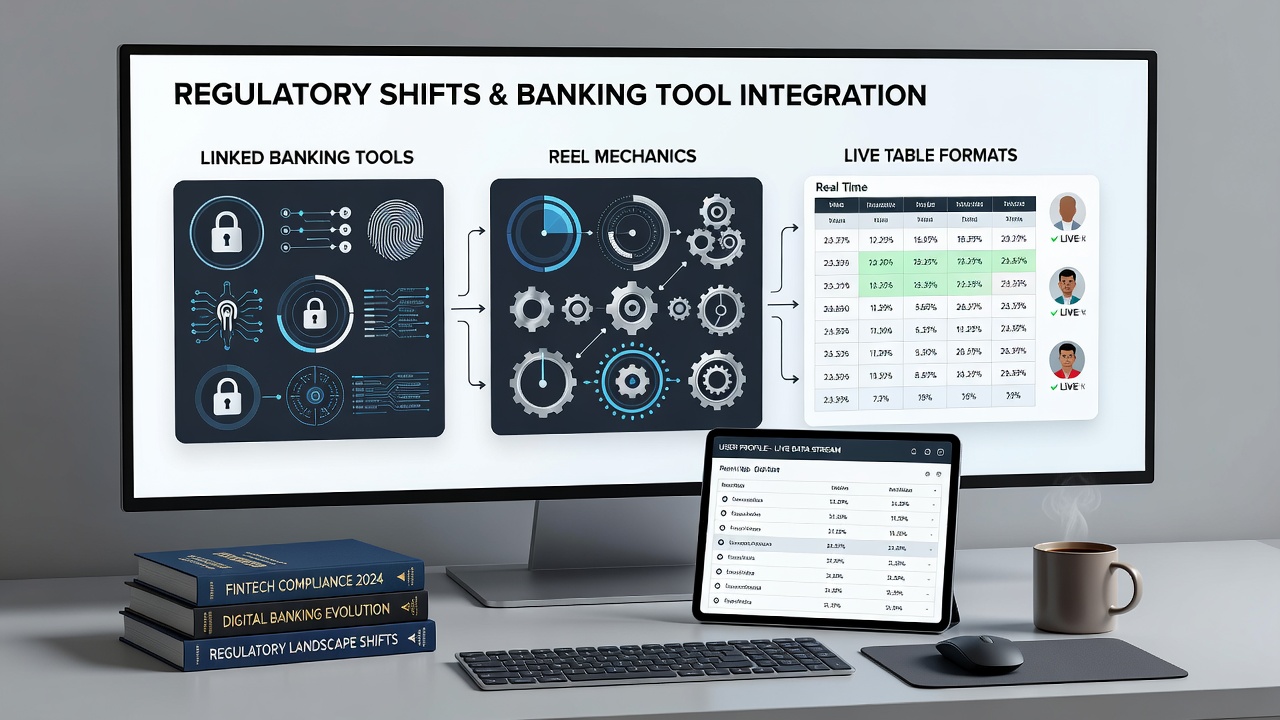
Operators responding to these rules have introduced formats that combine progressive reel systems with live-streamed table interactions, all accessible through bank-verified sessions on portable devices. Reports from the Malta Gaming Authority highlight how such integrations preserve audit trails while expanding entertainment options in registrationless settings. What's notable here is the way these policies encourage developers to test new mechanics, from variable payline structures in slots to adaptive betting rounds at live tables, without adding profile creation steps.
Impact on Profile-Free Mobile Environments
Profile-free smartphone platforms benefit from regulatory clarity on banking linkages because they can now support extended play sessions across varied game types while adhering to anti-money laundering requirements through transaction-level checks. Studies published by the International Centre for Gaming Regulation document increases in available reel sequences and dealer formats on these systems, especially after policy refinements that emphasize direct bank connectivity over traditional account setups. By July 2026, further harmonization efforts across jurisdictions are projected to standardize how these tools interface with mobile applications.
Those monitoring the sector observe that this approach maintains security through encrypted bank feeds and simultaneously allows for greater experimentation in game design, including live table elements that respond dynamically to player inputs verified via banking apps. The result appears in expanded libraries featuring both classic reel progressions and innovative live formats on devices that require no separate registration.
Conclusion
Regulatory shifts continue to connect linked banking tools with profile-free smartphone platforms in ways that widen access to diverse reel mechanics and live table formats. Evidence from multiple oversight sources shows consistent growth in game variety tied to these integrations, with ongoing developments slated for mid-2026 expected to refine the landscape further. This pattern reflects coordinated efforts between financial and gaming authorities to balance accessibility with compliance across mobile environments.