Tracing Digital Payment Pathways That Broaden Access to Hybrid Game Formats on Profile-Free Mobile Platforms
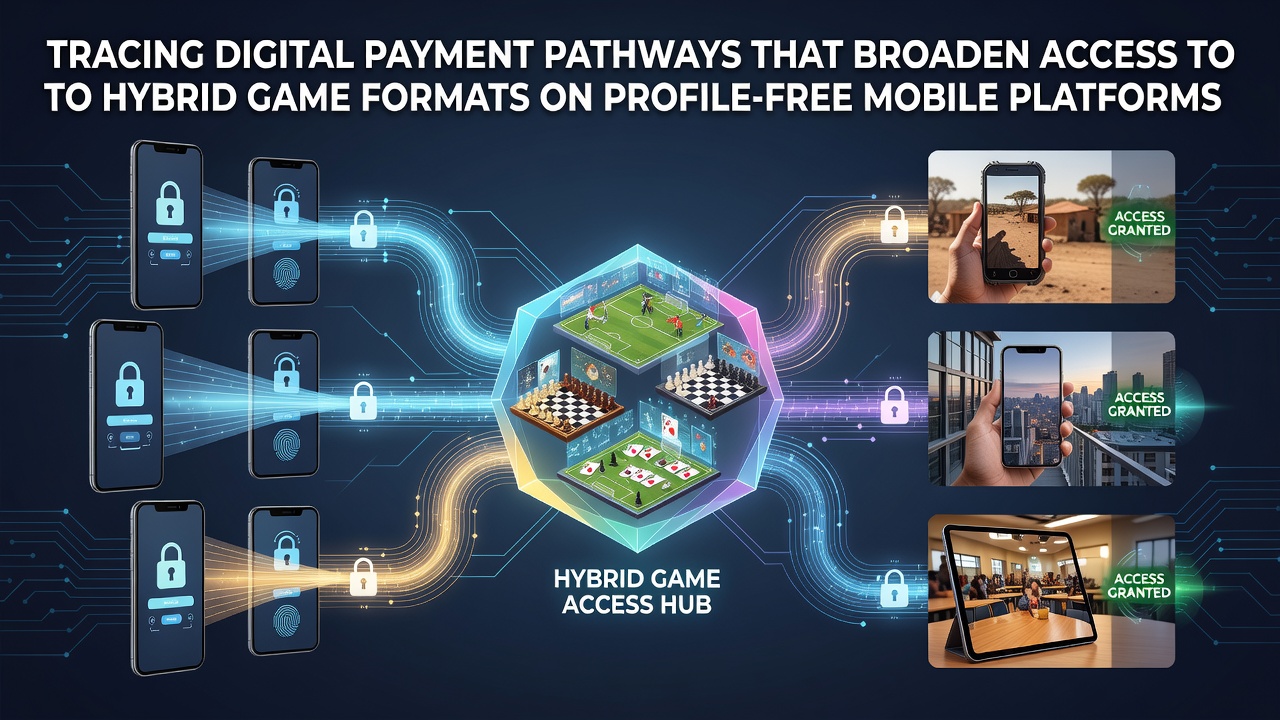
Digital payment systems have created direct connections between bank accounts and mobile entertainment options that operate without requiring user profiles, and these pathways now support hybrid game formats that combine elements from slots, table games, and live dealer experiences on single platforms. Observers note that such integrations allow transactions to flow straight from financial institutions to game servers while maintaining compliance with regional standards across multiple jurisdictions.
Profile-free mobile platforms rely on instant verification methods tied to banking credentials rather than stored accounts, and this approach has expanded in recent years as payment providers refined their APIs to handle both deposits and withdrawals in unified sessions. Data from industry reports shows that transaction volumes through these channels grew steadily into 2025, with continued momentum observed through June 2026 when several European and Asian markets recorded higher adoption rates among mobile users seeking varied game selections.
Payment Pathways and Their Technical Structure
Modern digital payment routes use encrypted bank links that authenticate users in seconds through existing financial apps, and these routes bypass traditional registration forms by pulling necessary identifiers directly from the banking layer. Researchers at institutions studying digital finance have documented how open banking protocols enable this flow, allowing platforms to confirm funds availability and complete transfers without creating separate casino or gaming profiles.
Hybrid game formats benefit specifically because the same payment pathway can fund sessions that switch between automated reels and interactive dealer tables within one continuous experience. According to figures released by the Nevada Gaming Control Board, mobile transactions supporting mixed game environments increased by measurable margins in regulated test markets during early 2026, reflecting broader infrastructure readiness.
Access Expansion Across Regions
Regulatory frameworks in different areas have shaped how these pathways operate, with some markets requiring real-time reporting of all transfers while others focus on user age verification at the banking stage. Those who've examined transaction logs across platforms find that profile-free access reduces entry barriers for users who prefer quick sessions over long-term account management, and this pattern appears consistently in data collected from both North American and Oceania operators.
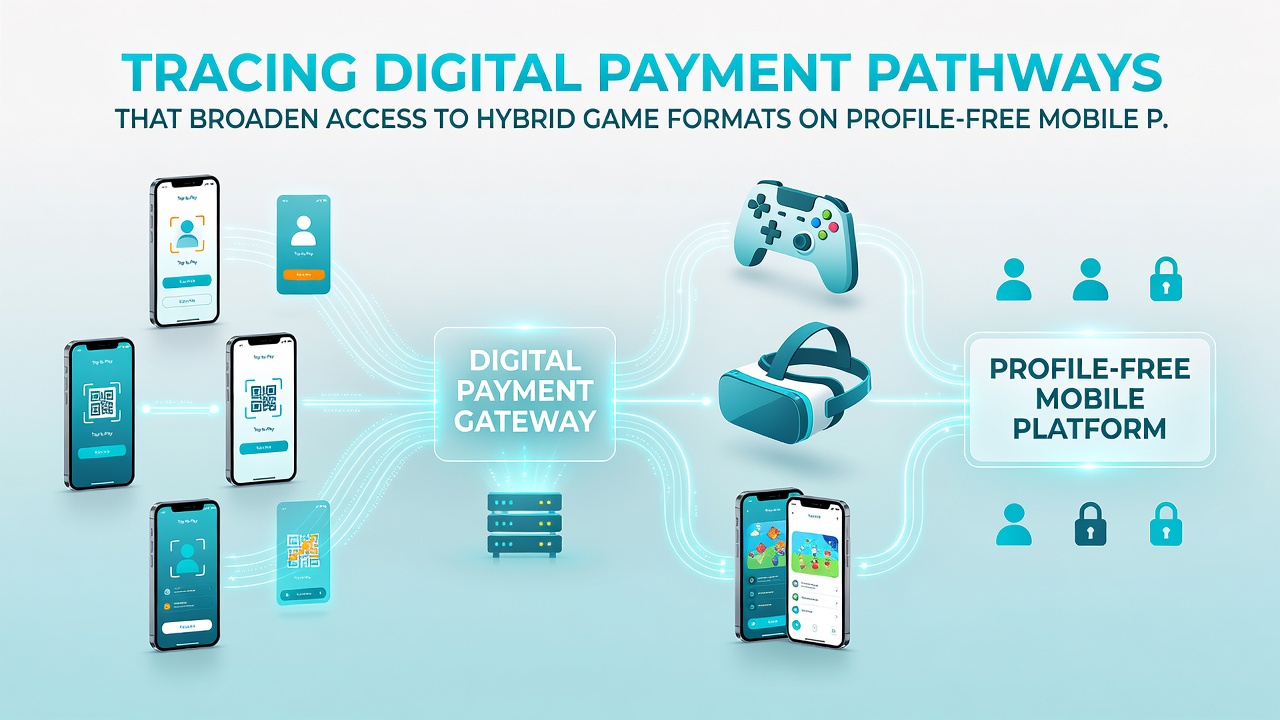
One case examined by analysts involved Australian users who accessed hybrid formats through local banking apps that integrated directly with gaming servers, and similar models have appeared in Canadian provinces where provincial oversight permits such linkages. The Victorian Responsible Gambling Foundation published summaries in 2025 that tracked how these direct connections influenced session variety without mandating stored user data.
Hybrid Formats and Platform Capabilities
Hybrid game formats merge random number generator outcomes with live streamed elements, and payment pathways support this blend by processing micro-transactions that fund both automated and human-hosted segments in sequence. Platform operators have implemented backend systems that allocate incoming funds across game modules based on user selections made during active play, and this allocation happens without interrupting the payment verification flow.
Technical documentation from payment processors indicates that latency times for these combined sessions have dropped below previous thresholds, enabling smoother transitions between game types on handheld devices. Observers tracking mobile usage patterns report that users often move between slot sequences and table interactions within single funded sessions, a behavior facilitated by the unified transaction layer rather than multiple separate deposits.
Current Trends Through Mid-2026
By June 2026, several payment networks had rolled out enhanced security layers that scan for compliance markers during each transfer, and these additions helped maintain access to hybrid options while meeting updated regional guidelines. Studies from academic groups focusing on digital commerce have noted parallel developments in authentication speed that further streamline entry to profile-free environments.
Platform analytics reveal consistent growth in the number of available hybrid titles that accept these direct pathways, particularly on devices running current operating systems. Those monitoring the sector point to infrastructure investments by both banks and gaming providers as the driver behind wider format availability without added signup steps.
Conclusion
Digital payment pathways continue to link banking systems with profile-free mobile platforms, and this connection supports expanded access to hybrid game formats that blend multiple styles into unified sessions. Records through June 2026 demonstrate ongoing technical refinements that sustain transaction reliability across varied regulatory landscapes, with data indicating steady integration of new game combinations into existing payment flows.